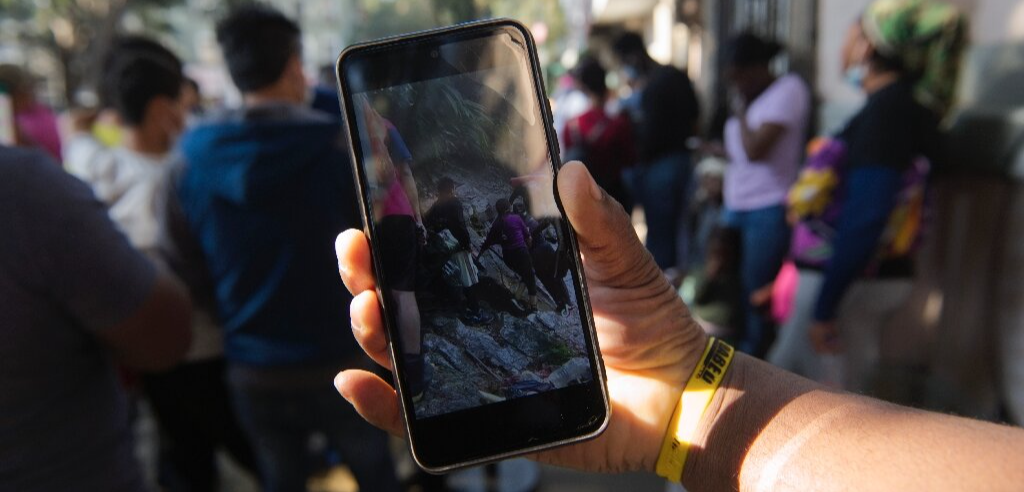

The Malaysian Maritime Enforcement Agency (MMEA) has recently detected a criminal case involving the use of the TikTok platform to recruit illegal immigrants. According to the Deputy Director-General of Maritime Operations, Major General Mohamud Zawawi Adura, intelligence indicates that apparently dispersed stowaways advertising is actually controlled by a group, with different groups operating.
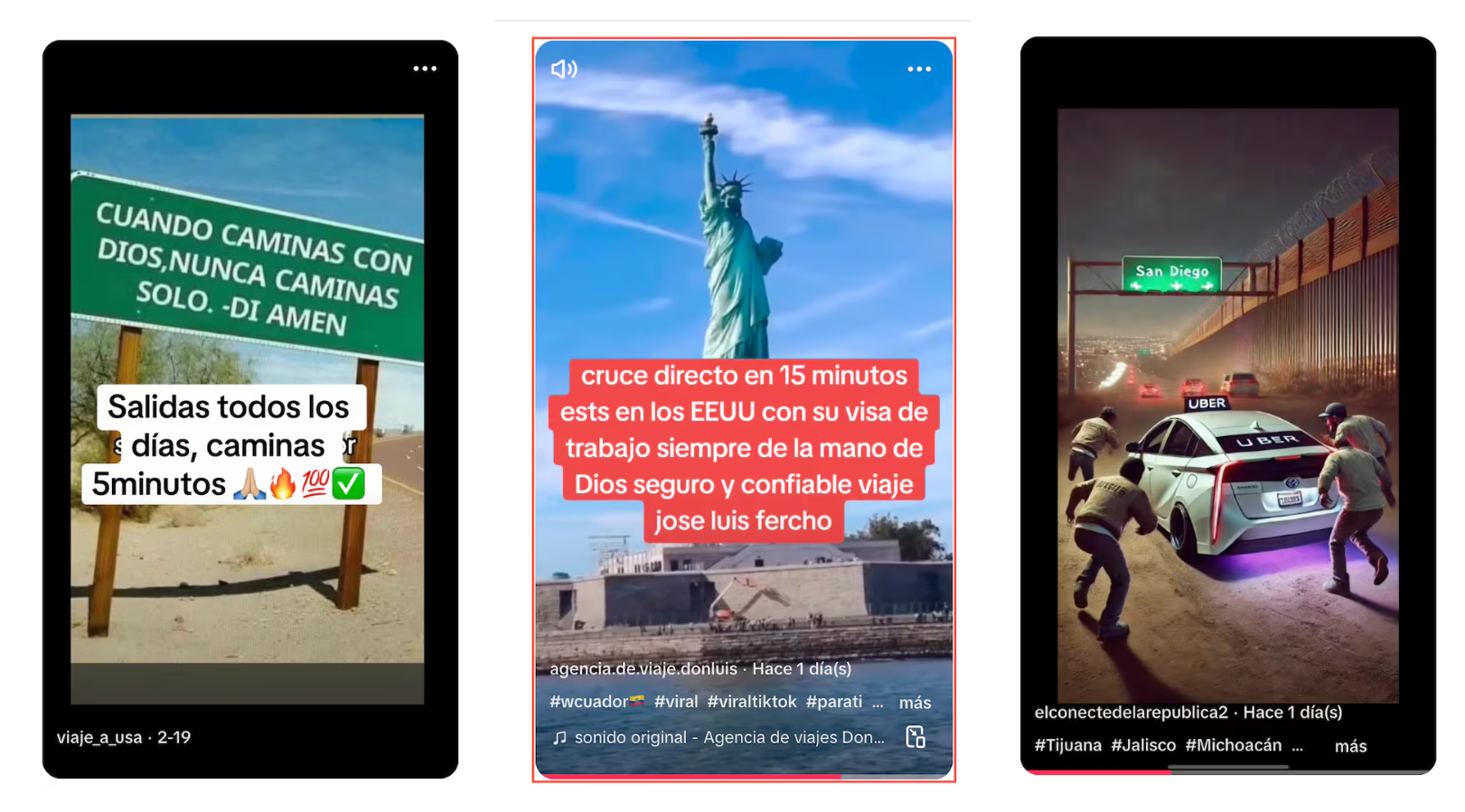
Following a visit to the Japanese Coast Guard patrol vessel Sumi, Zawawi said to Ma Xin: “The activities of this stowaways group are concentrated in Johor and Serang. It is well known that Johor is located across the border between the Cariwen Islands and the Laine Island in Indonesia. After two to three years of increased security in the Strait of Malacca, the smuggling route moved eastward. However, in the wake of recent shipwrecks, criminal groups have again used the Strait of Malacca route.” Zawavi’s statement is a video promotion of smuggling services for the viral transmission of TikTok.
Zawavi refused to disclose the number and names of the groups involved, but stressed that maritime law enforcement agencies had been conducting ongoing surveillance and intelligence operations in the affected states. He noted that it was not new that such illegal entry advertisements were particularly active before and after the festival. ” We will take firmer measures. There is now a mastery of stowaway hotspots and common entry and exit routes.” Authorities verify that some of the advertisements are disseminated through international social platforms and are being processed in close collaboration with the Malaysian Communications and Multimedia Commission.
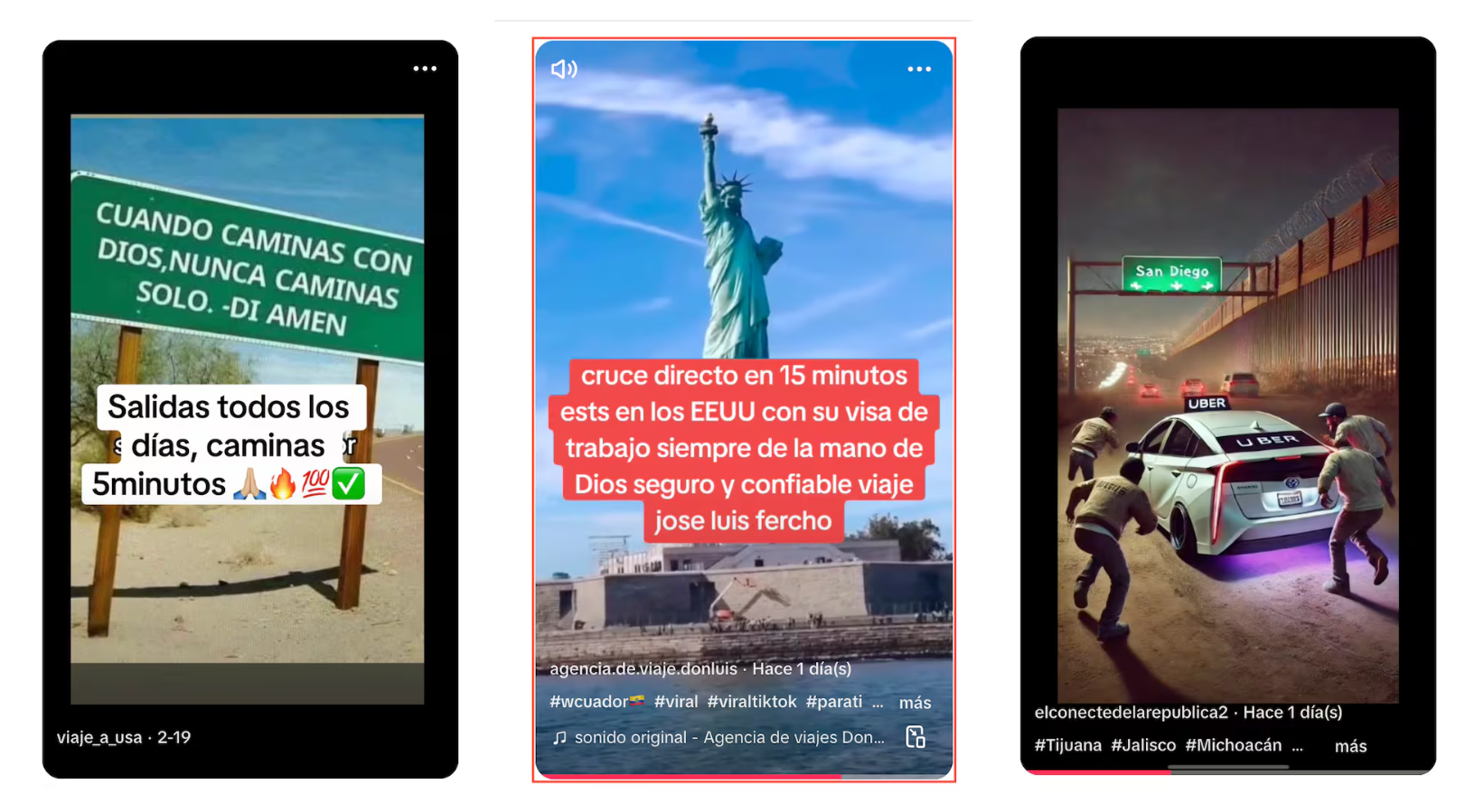
Globally, short video platforms promoting illegal migration services have become a common challenge for countries with migrant crises. In 2023, a large number of United States immigration videos were posted on TikTok in Mexico, covering dozens of accounts in the State of Tamaulipas and Guatemala, in violation of TikTok’s policy of prohibiting “propagating and facilitating criminal activities”.
According to a survey published by the United States in March this year, social media such as TikTok have become a necessary tool for smuggling and immigration. Smugglers indicated that new technologies made networks more flexible in meeting challenges and were able to expand coverage and reach new clients. Despite TikTok’s strict prohibition of human smuggling and its reporting to law enforcement, “fish leaks” occur.
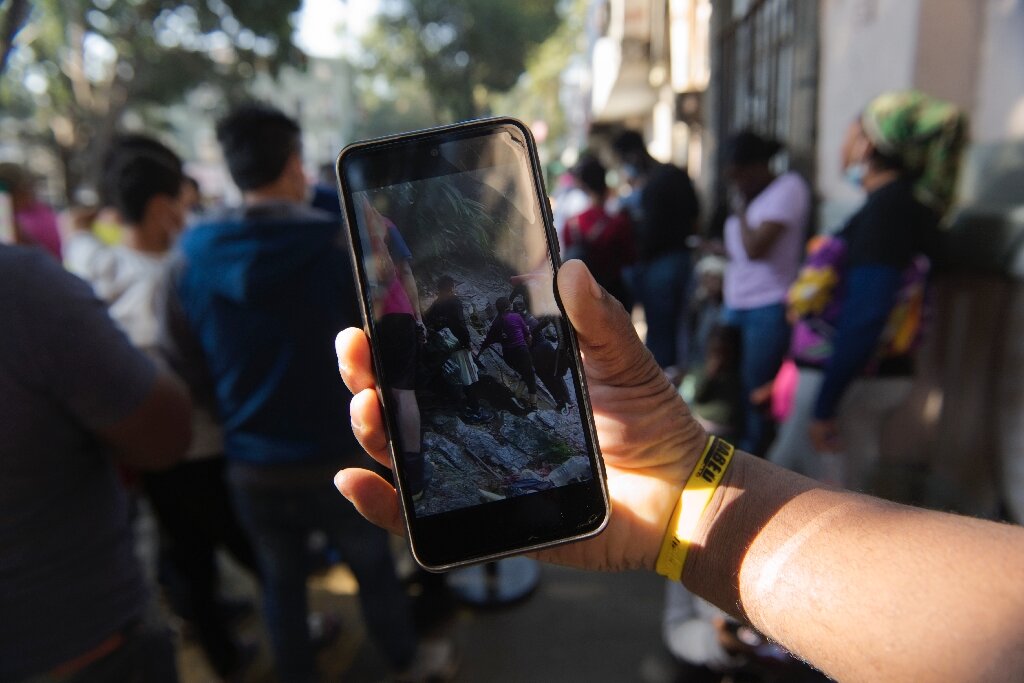
Professor Guadalupe Correa-Cabrira of the University of George Mason, focusing on the investigation of the migrant-smuggling industry, stated that the use of social media to catalyse migration had begun to rise around 2017-2018, and that the snakehead had established a large Whatsapp group to coordinate large-scale smugglers from Central America to the United States.
Correa-Cabrera stated that, before and after the release of the study, she began to see a surge in the number of smuggling advertisements on TikTok, as the use of the applications surged. “This is a marketing strategy,” Correa-Cabrera said. “Everyone is using TikTok, especially after the outbreak, and is booming.”
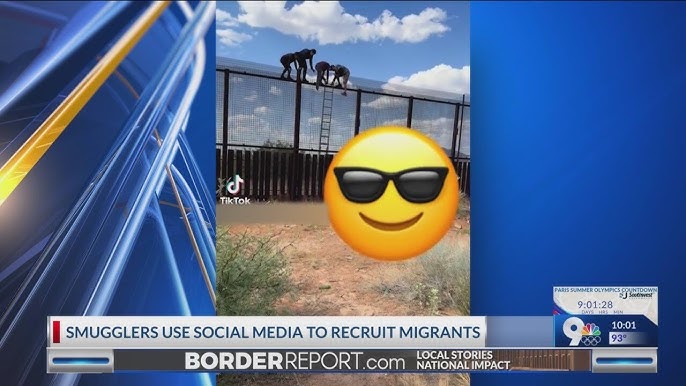
These illegal advertisements are a source of concern for international agencies such as the United Nations International Organization for Migration, which, in a report on the use of the technology, warned that “networks are becoming increasingly complex and elusive, thus posing a challenge for government authorities to address this new and non-traditional form of crime”.