

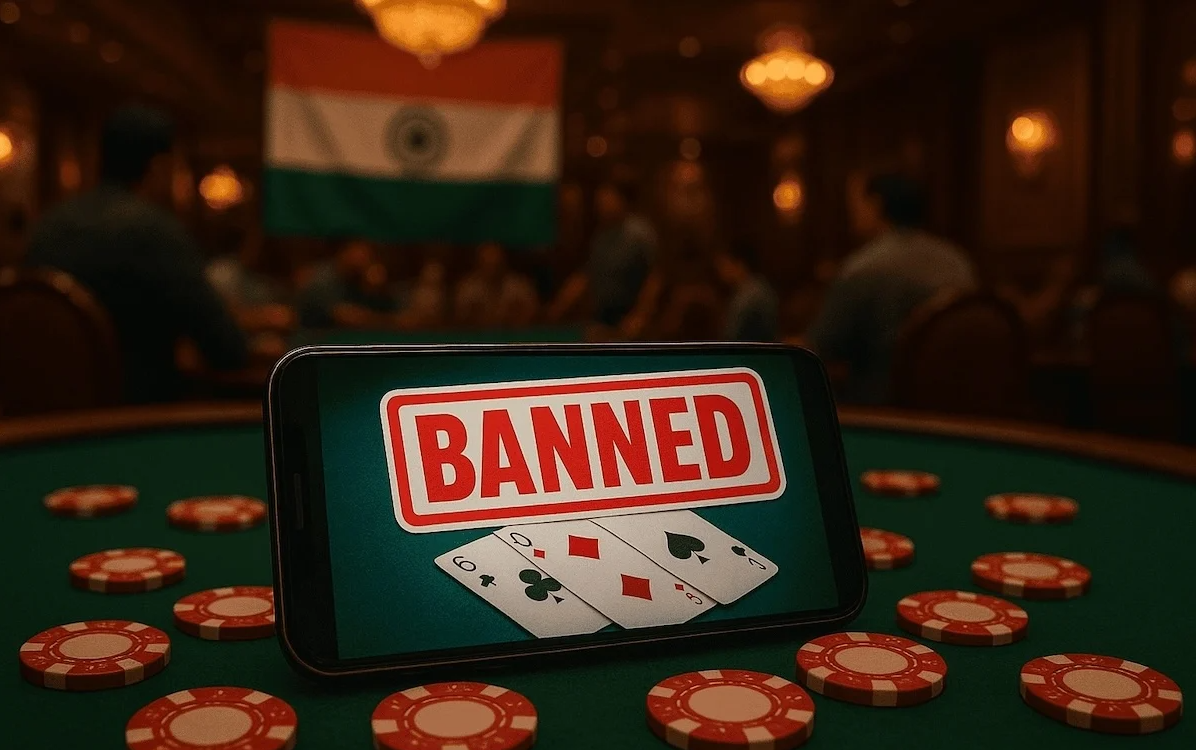
The Supreme Court of India is scheduled to hear a constitutional complaint against the Online Games Promotion and Regulation Act 2025 on 7 October. This urgent trial, which resulted from allegations by several games companies that the bill had led to a business breakdown, was previously referred to the Supreme Court for a single hearing by the High Courts of Delhi, Karnataka and Madhya Pradesh on 8 September 2025.
The plaintiff ‘ s business claims, including Head Digital Works (A23lami Game Operator) and Clubboom11 Sports Entertainment (Boom11 Fantasy Platform), violate the right to equality guaranteed by article 14 of the Constitution, the right to freedom of expression under article 19 (1) (a) and the right to operate guaranteed by article 19 (1) (g). The plaintiff noted that the law did not distinguish between skilled games (e.g., electronic competition, fantasy sports) and probabilistic games, which were both contrary to federalist principles and constituted a total unconstitutional prohibition.
The programme, which was adopted by Parliament on 21 August 2025 and approved by the President the following day, prohibits “on-line gold games” where users receive bonuses through direct or indirect funding, and calls for the suspension of related banking services and advertising. The central Government argued that legislation aimed at curbing addiction, the financial crisis, money-laundering and national security risks, citing data stating that 450 million people were affected and that more than Rs. 200 billion were lost. At the hearing on 26 September, the gaming company stressed that the bill had caused an immediate interruption of operations and that interim relief was urgently needed. The Chief Justice agreed to schedule the hearing after the tenth anniversary (resumed on 6 October). The plaintiff party, represented by senior counsels C. Aryaman Sundaram and Arvind P. Datar, focuses on the recognition of the legitimacy of the skill game in previous jurisprudence.

Not all industry participants are opposed to the Act. Dream Sports (Dream11), Gameskraft, Mobile Super League (MPL), Zupee and Pokerbaazi, among others, have suspended real-money games, moved to a free model and implemented layoffs. The case also involved disputes relating to the Rs. 25 trillion tax on goods services issued by the tax authorities to the gaming business and the territorial ban in Tamil Nadu and Karnataka.