

The latest report on ICICI securities in India shows that since the enactment of the Online Game Promotion and Regulation Act (RMG) in August 2025, India has experienced a major structural change in the game industry, which has shrunk from $6 billion to nearly 80 per cent to about $1 billion.
The report notes that the early growth of the Indian game industry was driven mainly by RMG platforms such as Dream Sports, Lami and Poker. After the regulatory strike, the market has moved quickly towards electronic competition, free games and the application of alternative liquidity models such as in-house purchases, advertising, audio chat rooms and short video games. In its report, the ICICI securities state that “a significant part of the RMG demand appears to have been transferred abroad through encrypted money channels”.
According to Fortune magazine, RMG accounts for 88-90 per cent of the total income of the whole game industry in India. Companies such as Dream 11, Games 24×7, Zupee and WinZO form the backbone of the ecosystem, and this category has an annual growth rate of nearly 30 per cent. The report estimates that before the ban, the RMG market grew from Rs. 330 to 350 billion in 2024 to Rs. 44 to 45 billion in 2025.
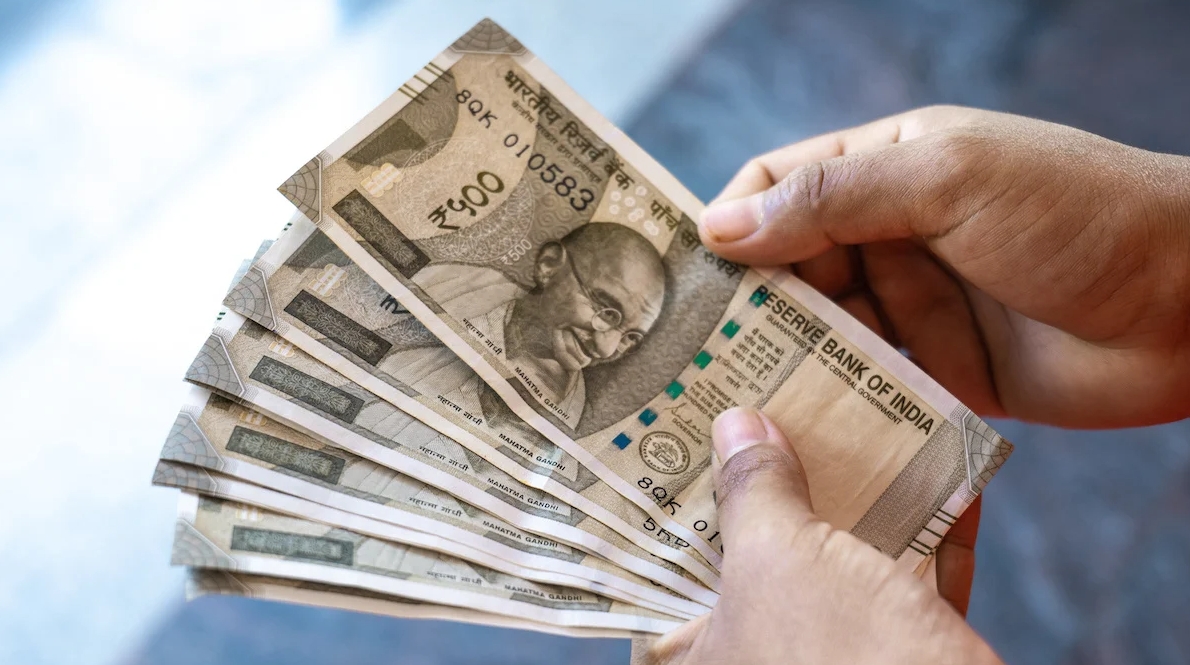
Following the ban, the Indian game ecosystem was significantly reduced and concentrated. The report shows that the Indian game market is currently valued at about Rs. 100 billion, with 70 to 80 per cent of this share being monopolized by two or three large game companies, notably Krafton ‘ s Jedi Survival (PUBG/BGMI) and Garena ‘ s Free Fire.
It is estimated that PUBG/BGMI has nearly 6 million active-day and more than 21 million active-month users on the Indian market, with an annual revenue of Rs. 20-25 billion. Eighty per cent of the game’s income comes from internal purchases, while the remainder comes from advertising. Free Fire user base is even greater, with an estimated 8 million active users per day and more than 70 million active users per month, but far less profitable than PUBG.
According to the report, electronic competition has become one of the fastest growing areas of compliance in the Indian game industry, with an annual growth rate of nearly 20 per cent. NODWIN Gaming is one of the greatest beneficiaries of this industry shift, and can generate an annual income of Rs. 5-6 billion through competitions, sponsorships, rebroadcasts and tickets to events related to PUBG and Free Fire.
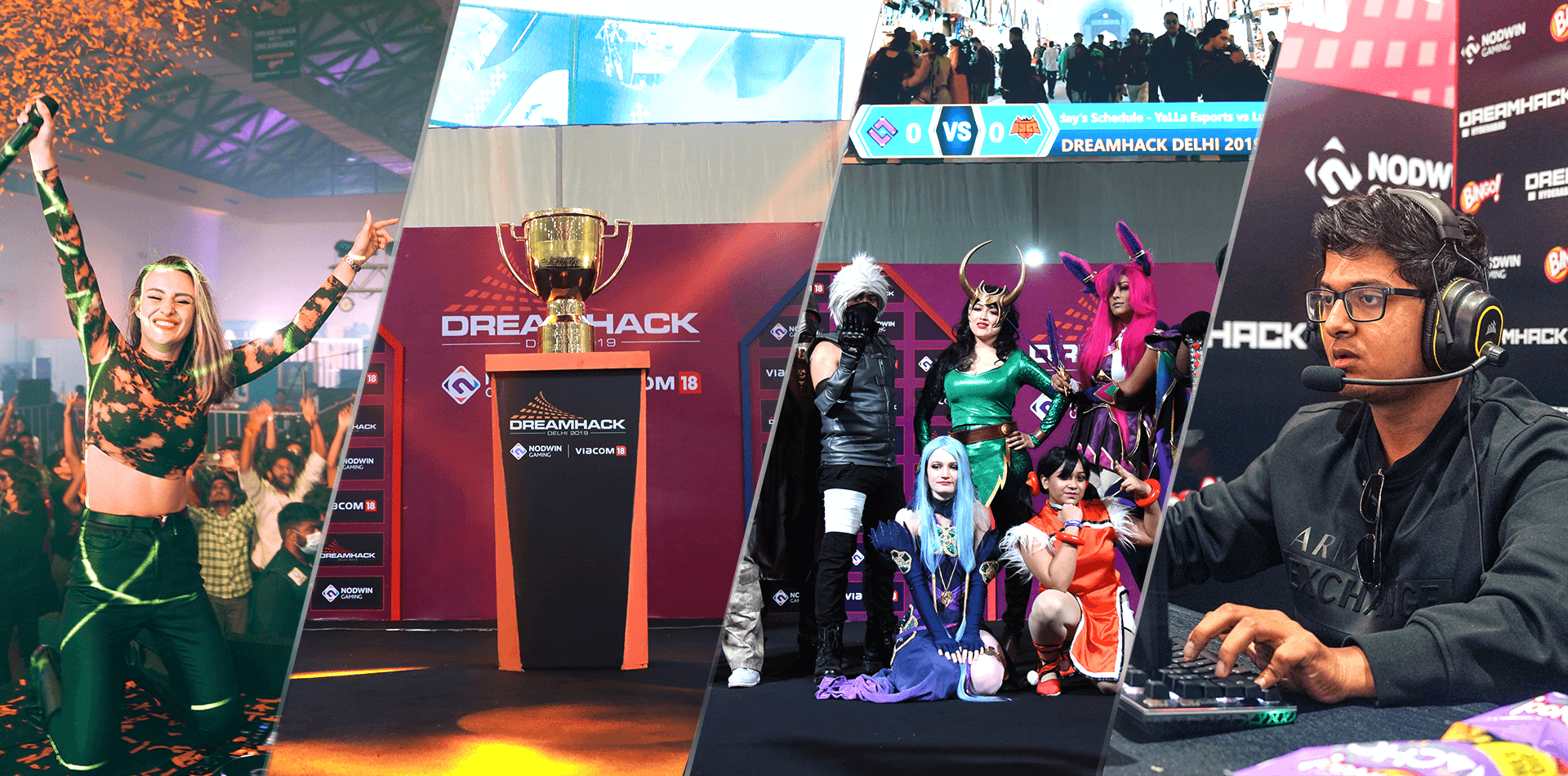
At the same time, leisure games remain in a certain market position, but profit patterns still face challenges. In the case of Ludo King, although its user participation is high, the annual income is estimated at only Rs. 250 million, highlighting the gap between size and income transformation in the Indian game ecosystem.
The report emphasizes that the post-ban profit model is structurally more vulnerable than the previous RMG-led ecosystem. Income composition is estimated at 80 per cent internal purchases and 20 per cent advertising. Advertising earnings in India remain low, and users are willing to consume only for content that can bring competitive advantages or social values, such as advanced weapons, accessories or progress functions in shooting games.
The report also notes that the application of in-house purchase ecosystems in India remains highly concentrated and that competitive shooting games such as PUBG Mobile and Free Fire represent a disproportionate share of profits compared to other categories of games.

Former RMG operators like Dream11 and Zupee are now trying to re-establish their revenue channels through free tournaments, subscriptions, chat rooms and micro-shorts. However, ICICI securities warn that most of these models are still in their early stages and may face regulatory review in the future, particularly as they relate to frequent automatic renewal models based on UPI.
The RMG ban has had a major unintended effect, with some of the game demand shifting to outside India and to encrypted money platforms. In addition, it is estimated that, following the ban, the Government loses nearly Rs. 250 billion annually in tax revenues.
Looking ahead, the future of the Indian game industry may depend to a large extent on the clarity of the regulatory policy for electronics and skill games. According to the report, the forthcoming e-competition guide may clarify the permissible realization of the structure of the competition, the rule of the bonus and the right to sponsorship and media.
At the same time, the industry continues to lobby for a return to the skill-based RMG model under stricter safety and security measures, including mandatory KYC norms, consumption limits and stricter trade control mechanisms. The report notes that any re-launching of plans in this area may again change the growth trajectory of the industry.