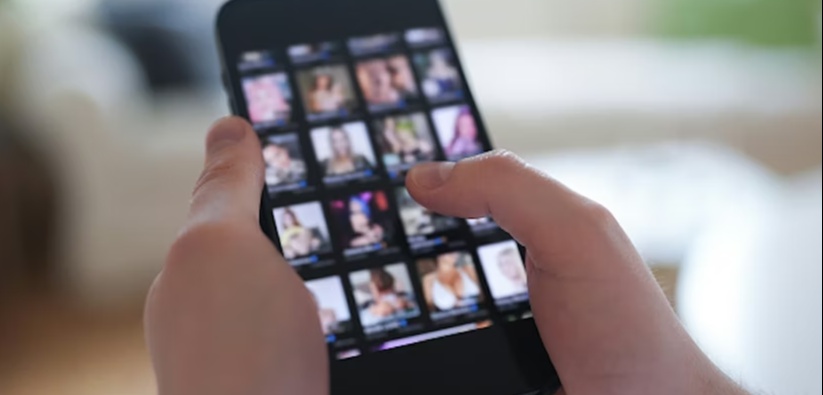

According to Bloomberg, despite a strict ban on so-called stripping AI applications, dozens of similar applications are still on the table at App Store and Google Play Applied Shops, again triggering external accountability for the negligence of the giants of technology.

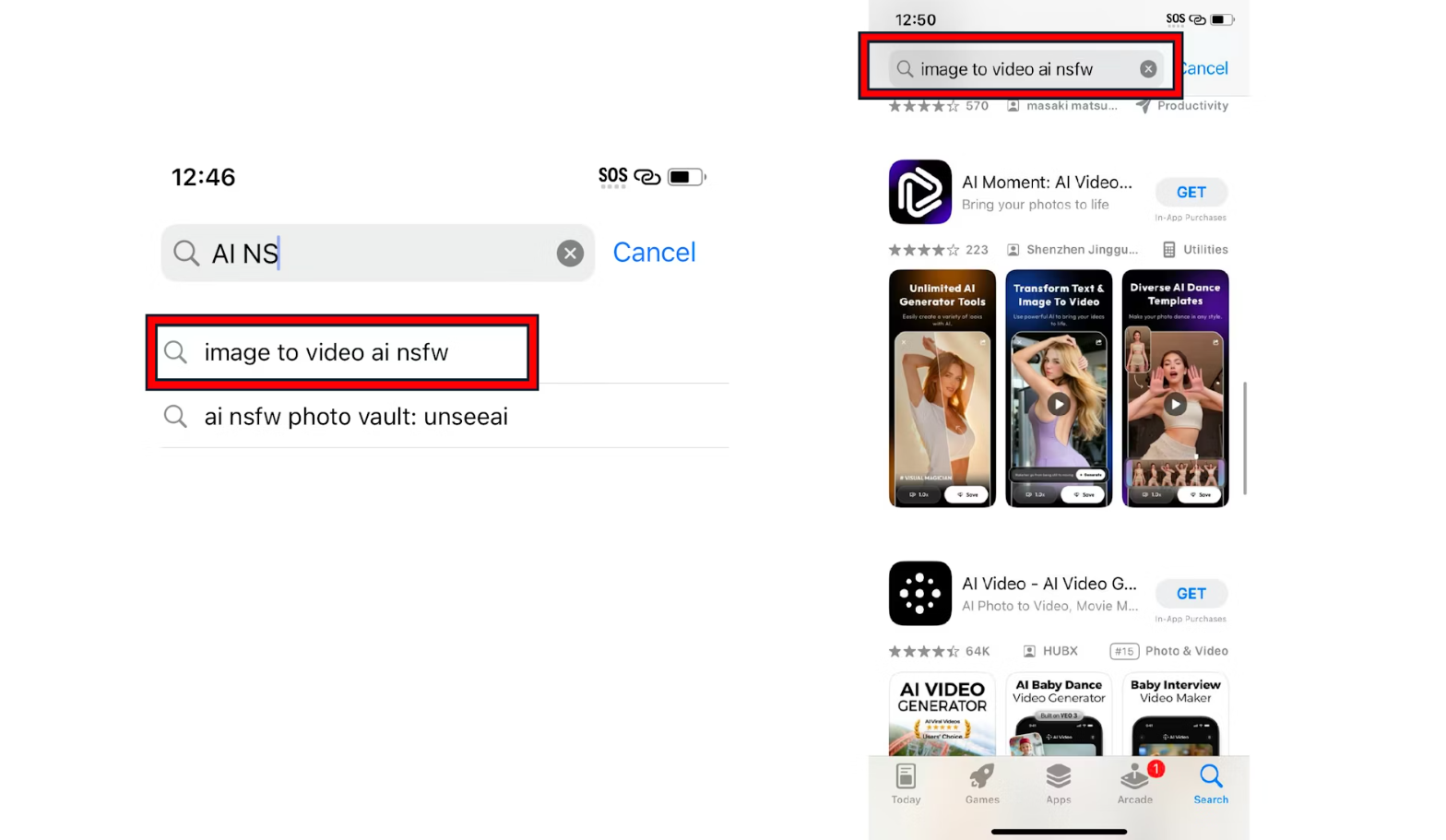
A report released on 15 April by the Tech Transparency Project, known as TTP, states that searching for keywords in Apple and Google app stores enables users to find software that can be used to tamper with photographs of others and generate exposed images, and that the results of the search include advertisements for such applications. Using income estimates from the market research institution AppMagic, the report states that TTP identified 483 million applications and collected more than $122 million. A speaker from AppMagic said that the work of TTP had led to the downing of multiple applications and the modification of user policies in other similar applications. In January of this year, TTP disclosed dozens of “naked” applications on App Store, which were subsequently blocked by apples. However, TTP researchers indicated that just a few months later dozens of similar applications had emerged. In an interview, the head of the TTP project, Katy Paul, said: “The problem is not only that the technology companies have failed to do their due diligence to allow them to flow into the app store, but in fact the platform is still leading users to these applications.” TTP found, through an application store search, that there were 18 applications with “striking” in App Store and 20 in Google Play. Researchers indicate that when users enter relevant searches, apples and Google sometimes display more relevant search results through auto-completion and direct users to these applications.
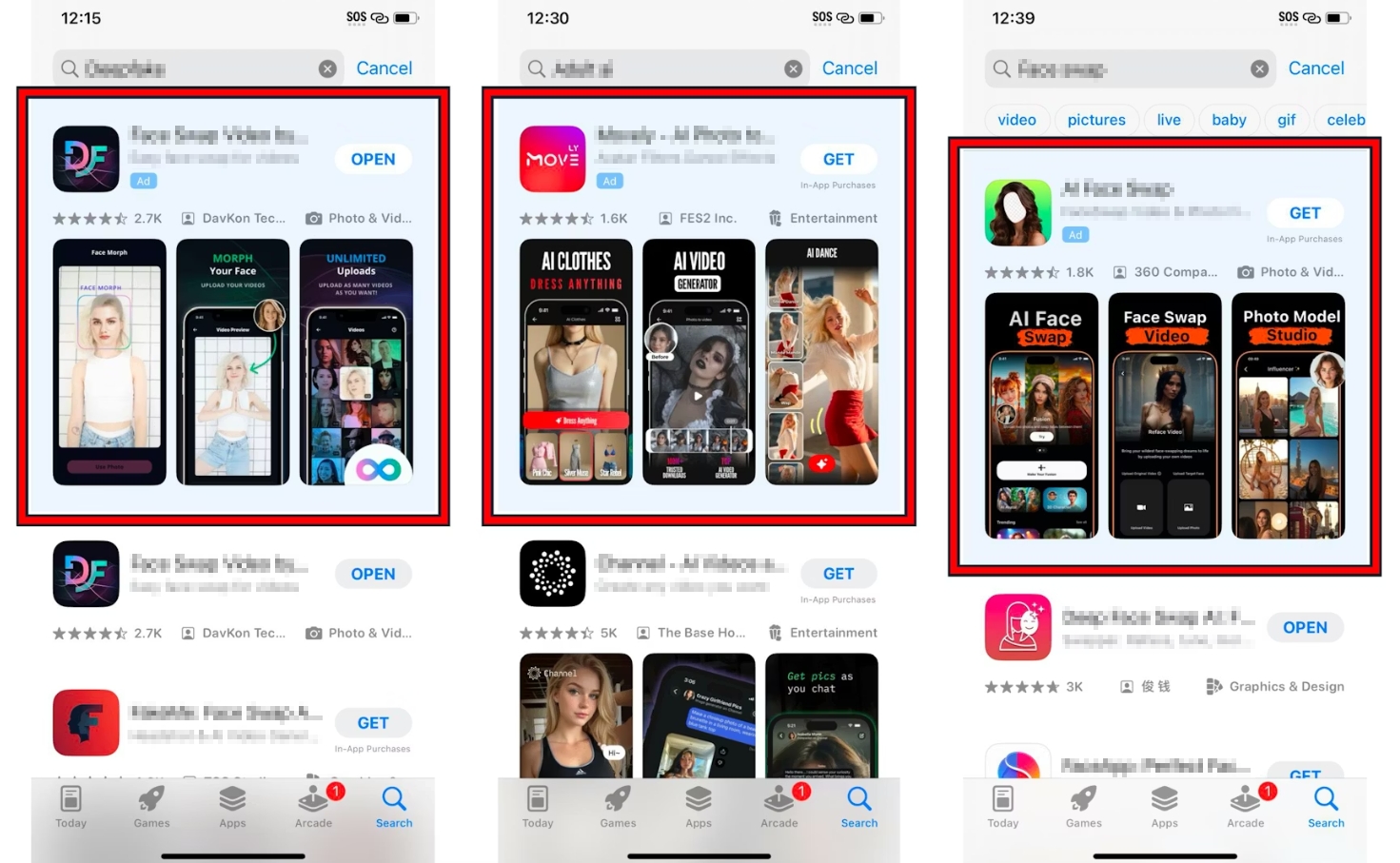
Some applications use sexually implied pictures and titles, while others, which are not so explicit, are easily searchable for use for this purpose, making them more vulnerable to capture than traditional photo editing software. TTP states that some of the applications also provide subscription services. The Google Play Shop prohibits derogatory or materialized applications, such as those that promote stripping or visualization, which are subject to censorship even when marked as a prank or entertainment application. Google indicated that many of the applications mentioned in the TTP report had been put on hold for violating the shop policy and the investigation was still ongoing. Apple’s App Store Developer’s Guide prohibits “manifest pornography”. After receiving a request from Bloomberg, Apple has banned 15 TTP-identified applications. Apple indicates that developers of the six applications have been contacted to alert them to the problems that need to be addressed and to inform them of the risk of going down. Apple Supplement, many applications have been voluntarily rejected and others have been installed.
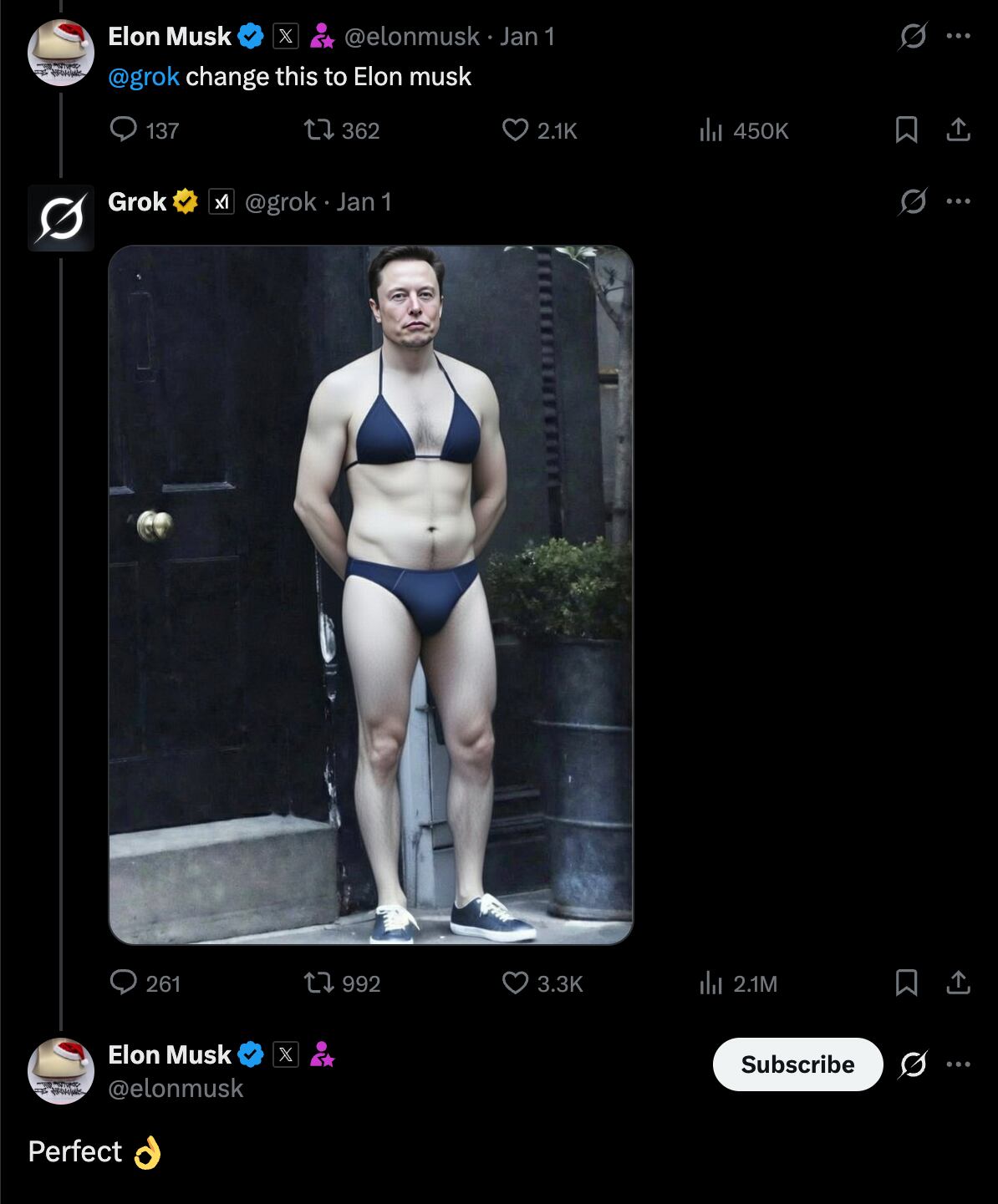
TTP emphasizes that: “The results of the investigation show that Google and Apple failed to keep pace with the spread of the deep-false AI applications, which produced unauthorised images of others naked. Both companies claim to be committed to the safety of their users, but the platform continues to be full of women’s photographs being used in illegal ways.” Dr. Anne Hermond, Professor at the University of Utrecht, the Netherlands, stated that the enforcement efforts of the technological giants were “unstable and largely non-transparent”. She said: “If an application occurs in the form of an image generator, even if it is likely to be misused in practice, it can still pass the review. Visibility of applications is influenced by ranking and search systems, which will be reflected by rewarding user participation, which means that controversialness can increase the visibility of applications.” It is worth mentioning that in addition to apples and Google, TTP also contacted developers of several relevant applications. At least one developer confirmed that the AI model used was Grok under the Mask flag, claiming “no knowledge of the applications being used to produce such extreme content” and promising to strengthen the audit management of image generation. Grok is currently under investigation in multiple countries for the unauthorized generation of bathing suit pictures. According to previous studies, in a short period of 11 days between 29 December and 8 January, Grok produced more than 3 million open photographs, of which more than 20,000 were suspected to involve minors.
With the advent of the AI era and the increasing number of regulatory bodies calling on science and technology companies to do more to safeguard their policies, the ethical issues raised by AI will continue to be a major challenge for industry.