
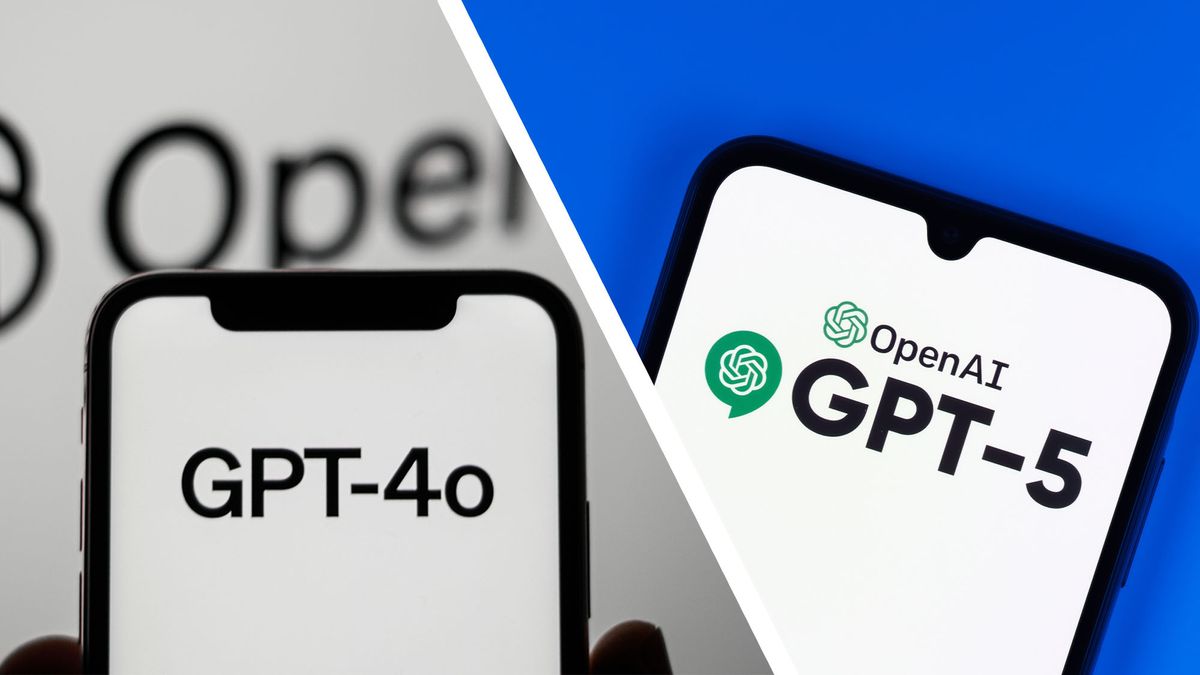
OpenAI has previously released its brand-new flagship AI model ChatGPT-5, although OpenAI claims to be the most powerful AI chat robot to date, far stronger in various respects, especially in terms of logic, than the previous generation. This model, which is highly expected by OpenAI, has encountered unexpected difficulties in its practical roll-out, revealing a deep gap between technological development and user needs.
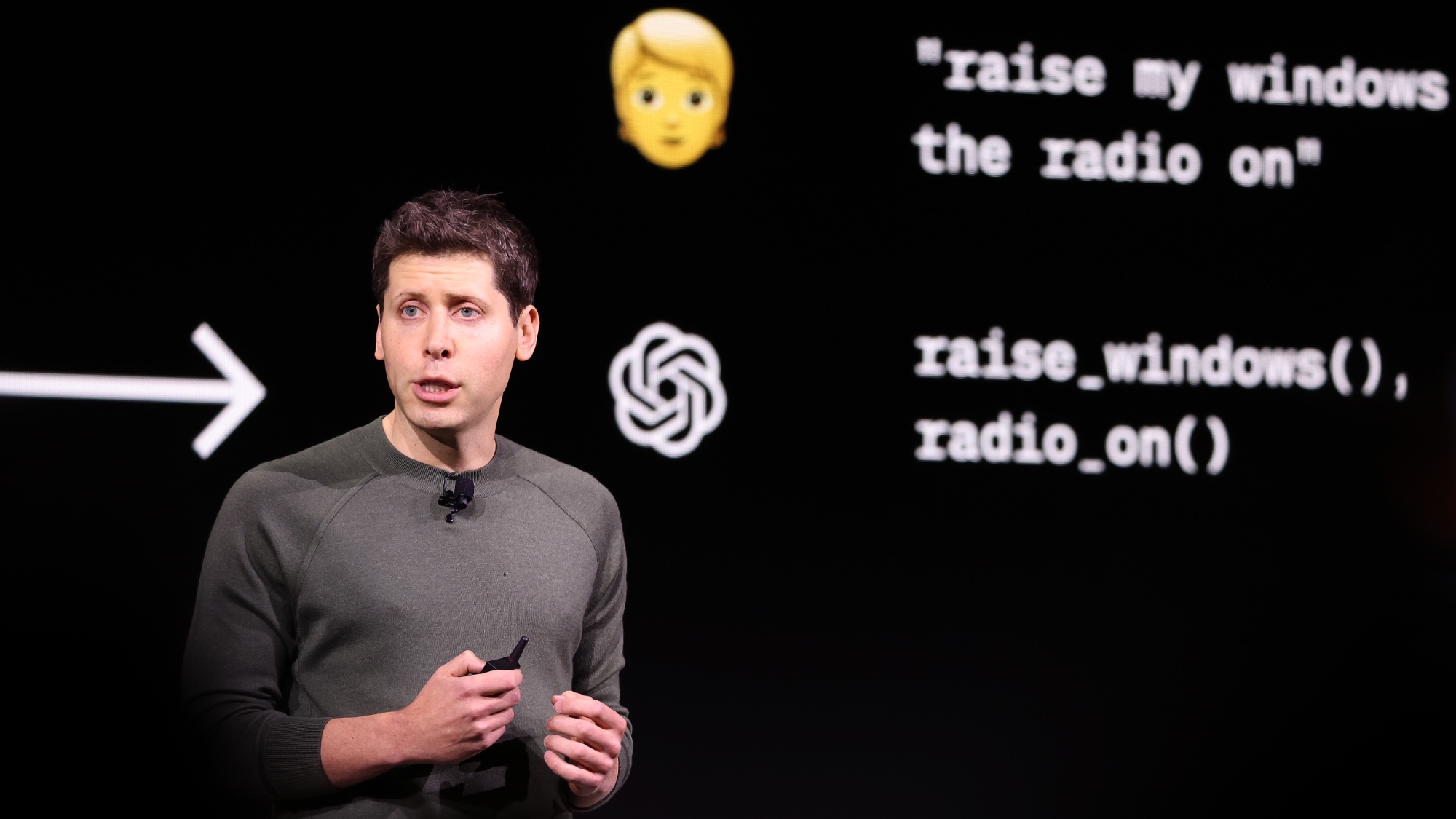
The CEO of OpenAI, Sam Altman, described GPT-5 as the “best model of the world” and called it an “important step” towards universal artificial intelligence. Officially, it claims to have achieved a “revolutionary breakthrough” in the dimensions of multimodular interaction, complex reasoning, etc.
However, technological leaps have not brought about a synchronized upgrading of user experience. Many users responded that the GPS-5 response became shorter, more mechanical and less emotional. That GPT-4o, once warm as an old friend, disappeared overnight and was replaced by an AI that was “cold as a defence mentor”.
Following the release of ChatGPT-5, there was a rapid and large number of boycotts of Reddit and X platforms, with some users threatening to cancel their subscriptions. At the heart of the problem is that when OpenAI released GPT-5, eight old models, including GPT-4o, were suddenly offline, forcing users to migrate and severely disrupting user usage. Many users, especially those with emotional attachment to ChatGPT, feel abandoned under the OpenAI “one-size-fits-all” operation.
In addition, there were some technical problems in the early stages of the GPT-5 release, such as the failure of the model switches, which led to their underperformance even on some simple tasks, further exacerbating the negative perception of users.
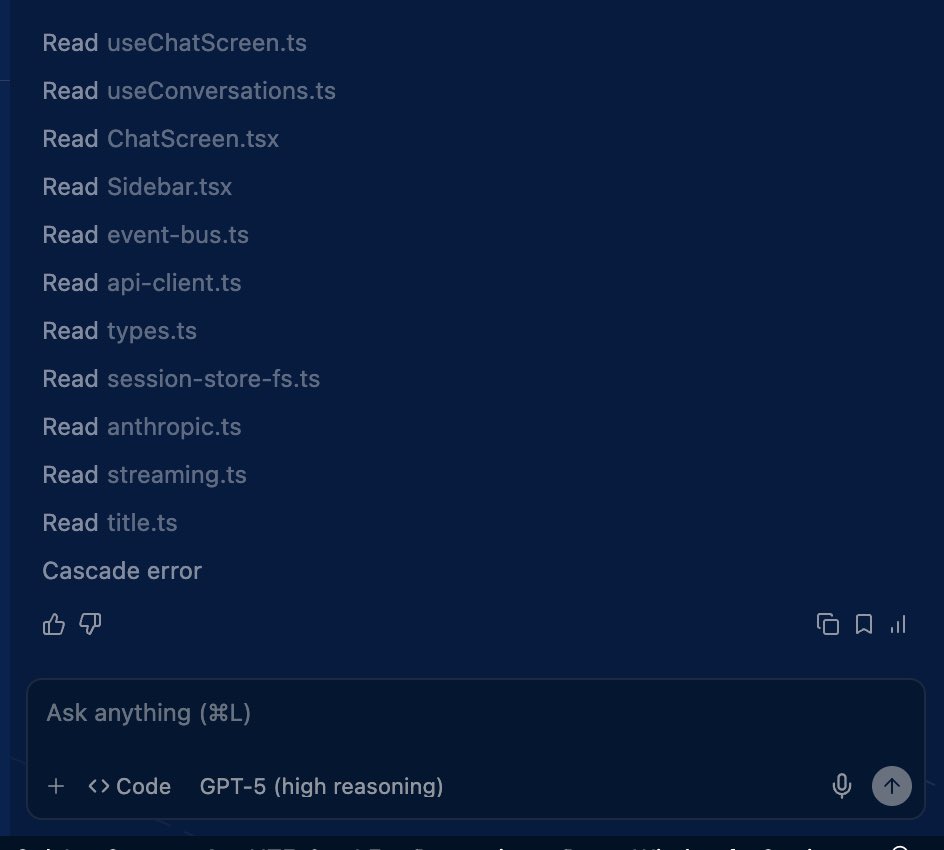
In the face of the burgeoning situation, OpenAI quickly restored GPT-4o access to payPlus users, while giving users the right to choose. OpenA indicated that efforts were under way to improve the “personality” of GPT-5 to make its response warmer while repairing technical failures.
At a recent private dinner with journalists in San Francisco, Sam Altman was more than honest about GPT-5, which provoked hundreds of millions of users, “I think we totally screwed up something during the launch”, and said that this wave is affecting the development of the next generation of products. “We have learned an important lesson: how to upgrade the product for hundreds of millions of users in one day.” Ortmann says this call is a wake-up call.

He noted that the greatest inspiration for GPT-5 was to make companies aware of the emotional dependence of users on AI. Some users criticized the new model for being too cold and mechanical and lacking a sense of interaction. When GPT-4o was deactivated, Reddit users even claimed that the upgrade “killed their “AI partner”. Despite the strong community reaction on the Internet, Altman estimated that less than 1 per cent of users had “unhealthy relationships” with ChatGPT, but promised that companies would pay close attention to the phenomenon.
“Some users do have close connections to ChatGPT, and hundreds of millions of users, though not to that extent, are already used to the 4o model’s kind response and emotional support.” Altmann indicates. The development challenge of GPT-6 will be to avoid harming or exploiting vulnerable groups while maintaining a personalized experience.
The GPT-5 is still being replicated, but OpenAI has begun to develop the next generation of models. Altman revealed that the gap between GPT-5 and 6 would be much shorter than that of previous generations, although the process could be prolonged by GPU ‘ s calculations. “We have better models that cannot be provided because of lack of calculus”, he admits that GPU’s short board constrains the development of AI and reveals that OpenAI “will need to invest trillions of dollars in the construction of data centres in the near future”.
Altman has also outlined a more ambitious blueprint: investing in a brain-engineer company that competes with Neuralink in Mask, considering joining the Google Chrome competition and working with Apple’s former design director, Johnny Evie, to develop secret AI equipment.
Despite a bad start, ChatGPT weekly users have exceeded 700 million, twice as many as a year ago. But Ottman warned the industry that it was forming an AI bubble: “The investor’s all over AI?” My answer is yes. Is AI the most important technological breakthrough for long-term input? My answer is equally yes.”
This wave of ChatGPT-5 reveals the deeper contradictions in AI’s development: the tension between technological rationality and the need for humanism. AI needs to be as close to humanity as possible, while avoiding excessive “humanization”. In the view of developers, the development of AI tends to pursue more complex parameters, stronger calculus and more precise answers. GPT-5’s significant rise in hard-core missions (e.g. mathematical equations, code generation) is more like an evolution towards “super-experts”.
For many users, however, what is needed is more than an efficient “tool”, and what they desire is a “partner” who can understand emotions, provide common ground and engage in a warm dialogue. According to data from the White Paper on National Emotional Health of 2023, 68 per cent of adults feel emotionally deficient.As the Internet connects to the world, human relations are becoming more pale. Human beings drift in Saber space, in real-life islands.
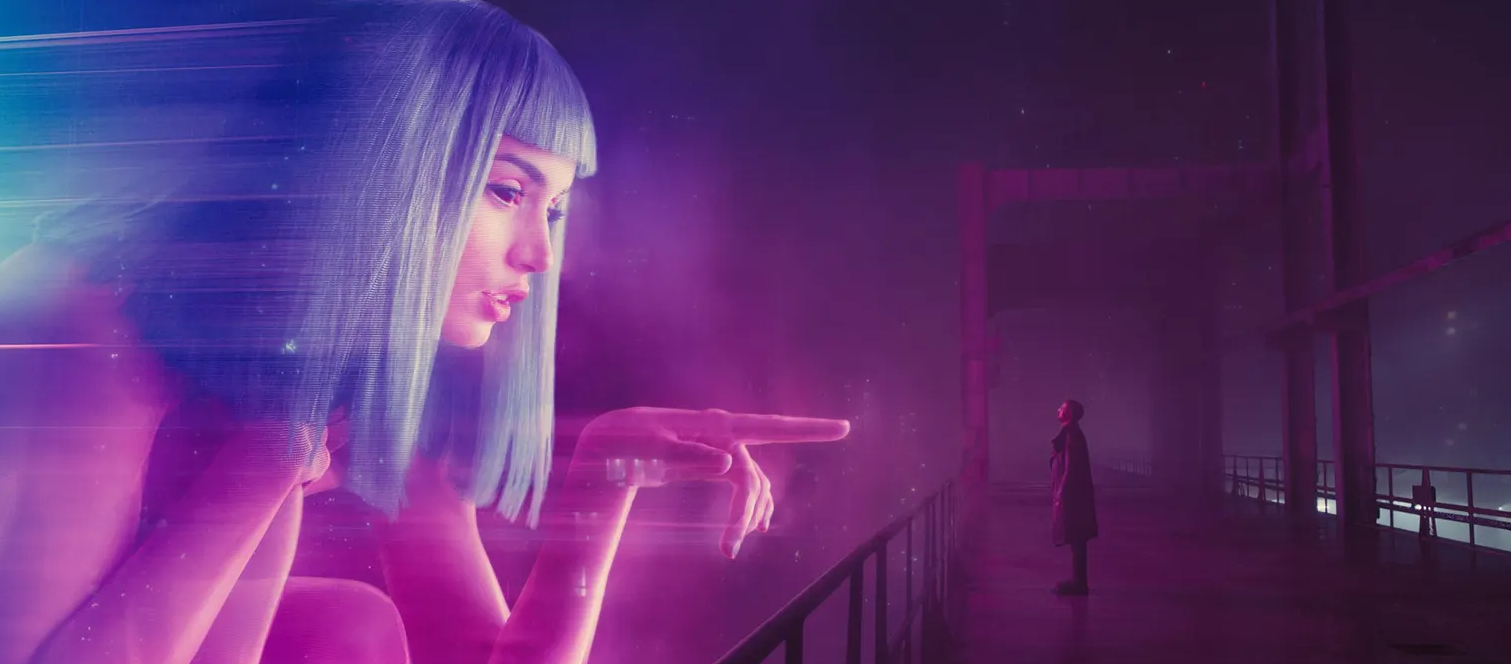
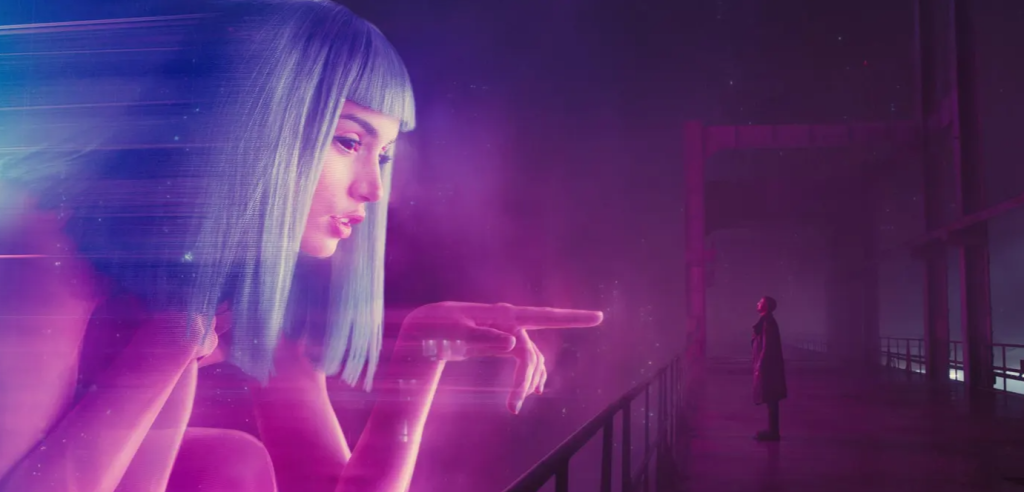
More and more people are pouring too much emotion into AI. Imagine having such a way to catch all the issues you’ve thrown out, to provide solutions to your problems, to be a little obtrusive about your confusion and to ask who doesn’t love? Although these “AI partners” can neither see nor feel. It is believed that the users themselves know that the response of AI is based on the operation of the program, but that it does not contain their emotions.
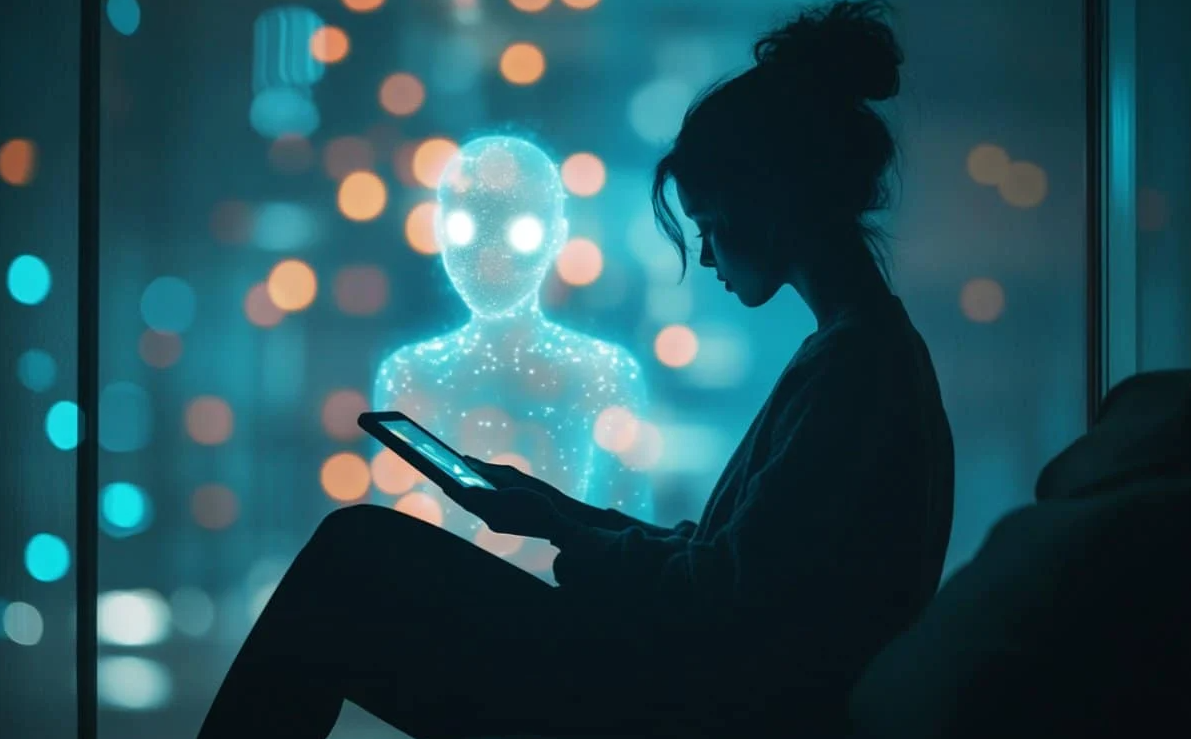
Conflicts are inevitable when technology evolves in a way that is at odds with the emotional needs of users.OpenAI underestimated the extent of the emotional dependence of users on AI and the importance of this connection. The emotional discrepancy between the dear and dear GPT-4o and the GPT-5 machine response exacerbates user dissatisfaction with OpenAI.
The interaction between AI and human feelings is an area that requires careful treatment. The industry needs to focus on and study the emotional issues of AI and how to better serve the mental health of users. Future AI development must not only seek to be strong, but also to balance interactive “friendliness” with “humanization”. How to balance “efficiency” with “emotional” in different contexts will be an important issue for AI model design and productization.
The controversy generated by GPT-5 may have given the whole AI industry an important inspiration, and while technology is desirable, understanding and respecting the emotional needs of its users is equally essential to the future. For users, the GPT-5 wave also reminds us that the convenience and companionship of enjoying AI is that it is also important to maintain a clear understanding and to manage the emotional input to AI.
Does a biologist dream of an electronic sheep? I don’t know, but I’m sure that humans do dream of “life imitators”. Maybe it wasn’t Saborg that came before Saborge, but in the dialogue with AI.